

Are plastic kettles resistant to discoloration?
Jul 14, 2026
Leave a message
Plastic kettles have become a popular choice in many households due to their lightweight, affordability, and variety of designs. One of the common concerns among consumers is whether plastic kettles are resistant to discoloration. As a plastic kettle supplier, I've encountered this question frequently. In this blog, I'll explore the factors that contribute to discoloration in plastic kettles and whether they can be considered resistant to this issue.
Understanding the Nature of Plastic Kettles
Plastic kettles are typically made from various types of plastics, such as polypropylene (PP), polycarbonate (PC), or acrylonitrile butadiene styrene (ABS). Each type of plastic has its own properties, which can affect its resistance to discoloration.
Polypropylene is a widely used plastic in kettle manufacturing. It is known for its durability, heat resistance, and chemical resistance. Polycarbonate, on the other hand, is a strong and transparent plastic that offers good impact resistance. ABS is a tough and rigid plastic that is often used for its aesthetic appeal.
Factors Contributing to Discoloration
There are several factors that can cause plastic kettles to discolor over time.
1. Heat Exposure
One of the primary causes of discoloration in plastic kettles is heat exposure. When a plastic kettle is used to boil water, the high temperatures can cause the plastic to break down and change color. This is especially true for plastics that are not designed to withstand high temperatures. For example, some low - quality plastics may start to yellow or become discolored after repeated use at high temperatures.
2. Chemical Reactions
The water we use in kettles may contain various chemicals, such as chlorine, minerals, and impurities. These chemicals can react with the plastic, leading to discoloration. Chlorine, for instance, can cause the plastic to oxidize and change color. Hard water, which contains a high concentration of minerals like calcium and magnesium, can also leave deposits on the inside of the kettle, which may contribute to discoloration.
3. Sunlight and UV Exposure
If a plastic kettle is left in direct sunlight or exposed to ultraviolet (UV) rays for an extended period, the plastic can become discolored. UV rays can break down the chemical bonds in the plastic, causing it to fade or change color. This is why it's important to store plastic kettles in a cool, dark place when not in use.
4. Cleaning Agents
Using harsh cleaning agents or abrasive materials to clean a plastic kettle can also cause discoloration. Some cleaning agents may contain chemicals that can react with the plastic, while abrasive materials can scratch the surface of the kettle, making it more prone to discoloration.
Are Plastic Kettles Resistant to Discoloration?
The answer to whether plastic kettles are resistant to discoloration depends on several factors, including the type of plastic used, the quality of the kettle, and how it is used and maintained.
High - quality plastic kettles made from heat - resistant and chemical - resistant plastics are generally more resistant to discoloration. For example, kettles made from food - grade polypropylene are often designed to withstand high temperatures and chemical reactions, which can help prevent discoloration.
However, even high - quality plastic kettles are not completely immune to discoloration. Over time, with regular use and exposure to various factors, some degree of discoloration may occur. But with proper care and maintenance, the discoloration can be minimized.
Tips to Prevent Discoloration
As a plastic kettle supplier, I'd like to share some tips to help consumers prevent discoloration in their plastic kettles.
1. Use Filtered Water
Using filtered water can reduce the amount of chemicals and minerals in the water, which can help prevent chemical reactions and deposits that lead to discoloration.
2. Avoid Overheating
Overheating the kettle can cause the plastic to break down and discolor. Make sure to follow the manufacturer's instructions and avoid boiling the water for longer than necessary.
3. Clean Regularly
Regular cleaning can help prevent the build - up of deposits and stains. Use a mild cleaning agent and a soft cloth to clean the kettle. Avoid using abrasive materials or harsh chemicals.
4. Store Properly
Store the plastic kettle in a cool, dark place when not in use. This can help protect it from UV exposure and reduce the risk of discoloration.
Our Plastic Kettle Products
At our company, we offer a range of high - quality plastic kettles that are designed to be resistant to discoloration. Our 2.0L Electric Plastic Kettle is made from food - grade polypropylene, which is known for its heat and chemical resistance. It has a large capacity, making it suitable for families or offices.
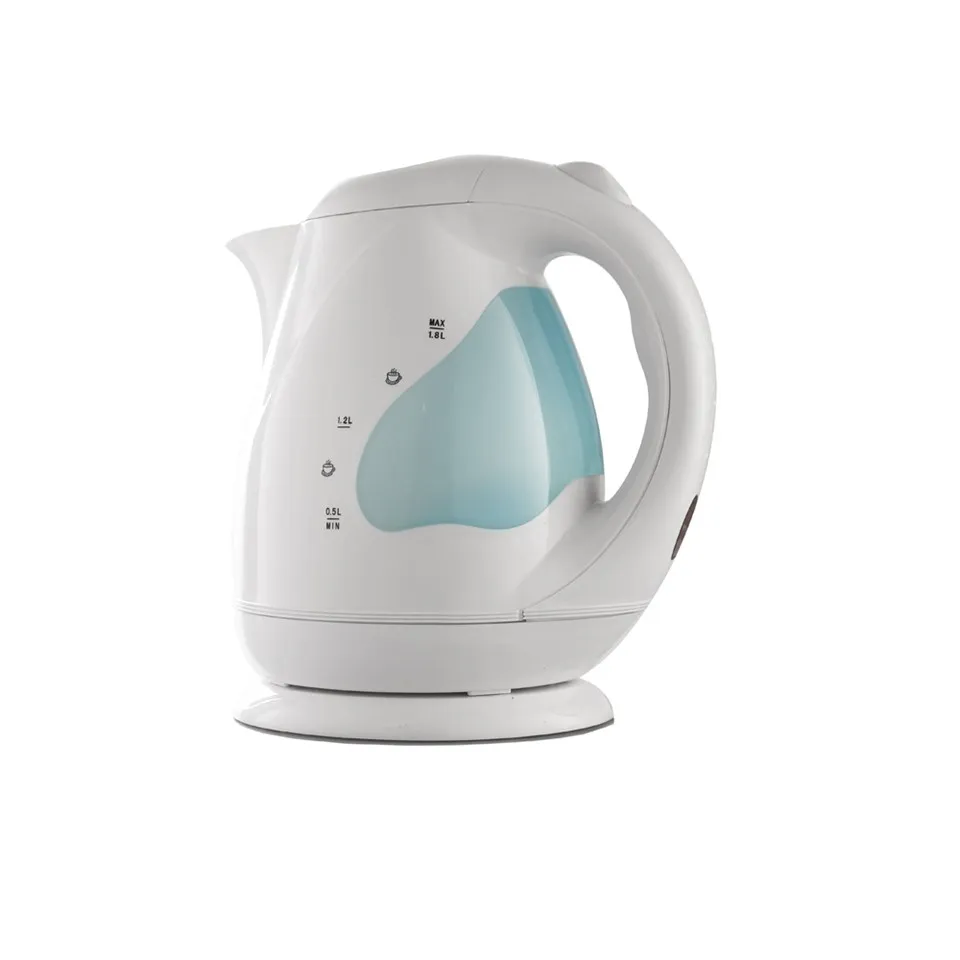

We also have a 1.0L Electric Plastic Kettle, which is perfect for individuals or small households. It is compact and energy - efficient, while still maintaining its resistance to discoloration.
For those looking for a kettle for home use, our Home Use Electric Plastic Kettle is an excellent choice. It has a stylish design and is easy to use and clean.
Contact Us for Purchase
If you're interested in purchasing our plastic kettles or have any questions about their discoloration resistance, please feel free to contact us. We're more than happy to provide you with detailed information and assist you in making the right choice for your needs. Whether you're a retailer looking to stock our products or a consumer in search of a high - quality plastic kettle, we're here to serve you.
References
- ASTM International. (Year). Standard Test Methods for Evaluating the Discoloration of Plastics.
- Plastic Manufacturers Association. (Year). Technical Guide on Plastic Properties and Durability.
- Consumer Reports. (Year). Evaluation of Plastic Kettles and Their Resistance to Discoloration.