

Can I put glassware in a mechanical air fryer?
Jul 01, 2025
Leave a message
Can I put glassware in a mechanical air fryer?
As a supplier of mechanical air fryers, I often receive various questions from customers about the proper use of our products. One of the frequently asked questions is whether it's safe to put glassware in a mechanical air fryer. In this blog post, I'll delve into this topic, exploring the science behind it and providing practical advice based on our expertise in the field.
Understanding How a Mechanical Air Fryer Works
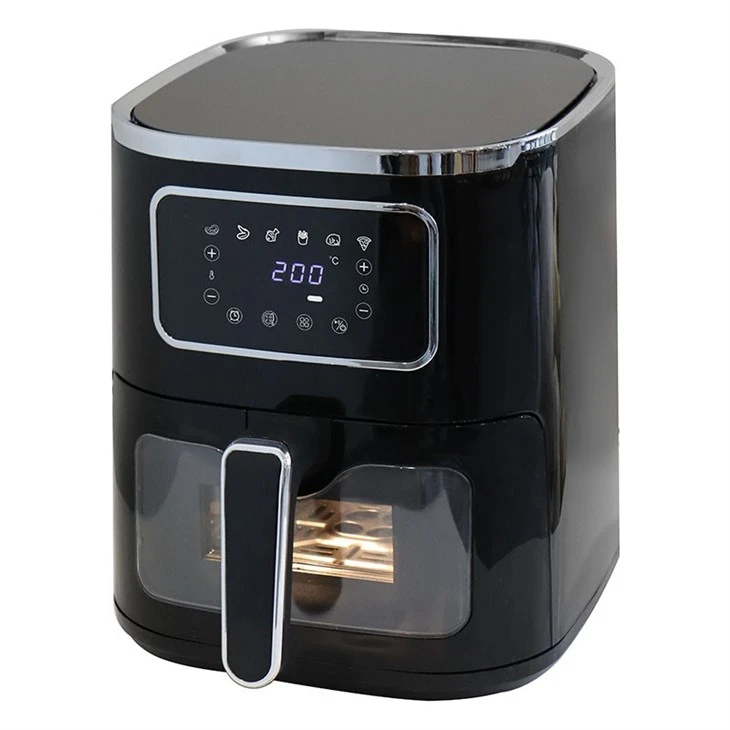
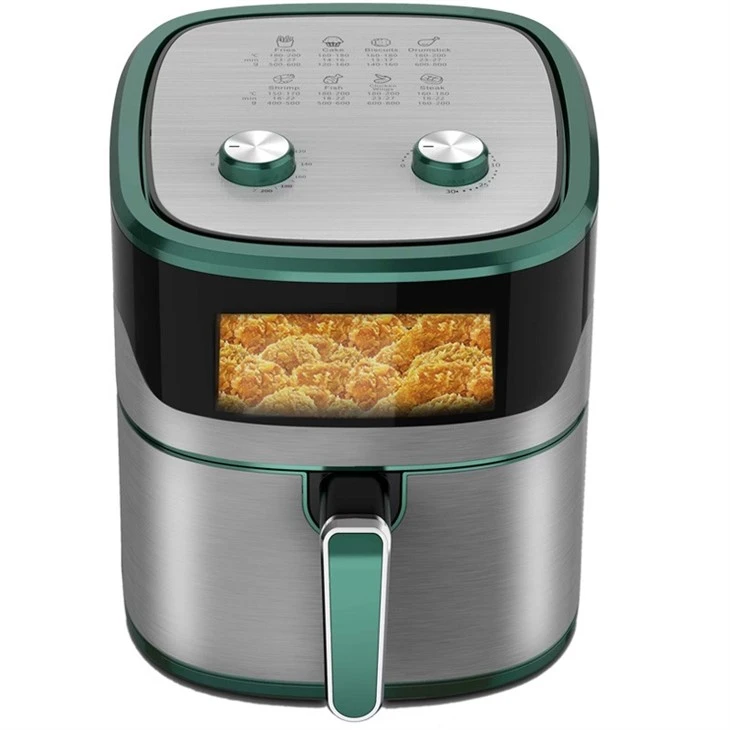
Before we discuss the compatibility of glassware with mechanical air fryers, it's essential to understand how these appliances operate. A mechanical air fryer, like the ones we offer such as the 4L Mechanical Electric Air Fryer, 5.3L 6.5L Electric Deep Air Fryer, and 6 Liters Air Fryer Stainless Steel, uses a heating element and a fan to circulate hot air around the food. This rapid air circulation cooks the food evenly, giving it a crispy exterior similar to deep - frying but with significantly less oil.
The temperature inside a mechanical air fryer can reach up to 200 - 220°C (392 - 428°F) during the cooking process. This high - temperature environment is crucial for achieving the desired cooking results, but it also has implications for the materials that can be safely used inside the air fryer.
Properties of Glassware
Glass is a versatile material commonly used in the kitchen for storing and cooking food. However, not all glass is created equal. There are different types of glass, each with its own thermal properties.
-
Regular Glass: This is the type of glass you might find in ordinary drinking glasses or some inexpensive glass containers. Regular glass has a relatively low thermal shock resistance. When exposed to sudden temperature changes, such as going from a cold environment to the high heat of an air fryer, it can crack or even shatter. This is because the rapid expansion and contraction of the glass due to the temperature difference create stress within the material, leading to breakage.
-
Tempered Glass: Tempered glass is stronger and more resistant to thermal shock than regular glass. It is often used in cookware and kitchen appliances. During the tempering process, the glass is heated and then rapidly cooled, which creates a surface compression that makes it more durable. Tempered glass can withstand moderate temperature changes, but it still has its limits. If the temperature change is too extreme or if there are pre - existing flaws in the glass, it may still break.
-
Borosilicate Glass: Borosilicate glass is known for its excellent thermal shock resistance. It contains boron trioxide, which gives it a lower coefficient of thermal expansion compared to other types of glass. This means that it can withstand rapid temperature changes without cracking or shattering. Borosilicate glass is commonly used in laboratory glassware and high - quality cookware.
Can You Put Glassware in a Mechanical Air Fryer?
The answer is: it depends on the type of glassware.
- Regular Glass: It is not recommended to put regular glass in a mechanical air fryer. The high temperatures and rapid temperature changes inside the air fryer are likely to cause the glass to break, which can be dangerous and may damage the air fryer.
- Tempered Glass: While tempered glass is more heat - resistant than regular glass, it's still a risk. The intense heat and air circulation in an air fryer can put stress on the glass, and if there are any weak points or if the temperature change is too sudden, the glass may break. It's best to avoid using tempered glass in the air fryer unless the manufacturer specifically states that it is safe.
- Borosilicate Glass: Borosilicate glass is the safest option if you want to use glassware in a mechanical air fryer. Its high thermal shock resistance makes it less likely to break under the high - temperature conditions of the air fryer. However, you should still take some precautions.
Precautions When Using Glassware in a Mechanical Air Fryer
If you decide to use borosilicate glassware in your mechanical air fryer, here are some precautions to follow:
- Pre - heat the Glassware: To reduce the risk of thermal shock, pre - heat the glassware gradually. You can do this by placing the glassware in a warm oven for a few minutes before transferring it to the air fryer.
- Check for Damage: Before using the glassware, inspect it carefully for any cracks, chips, or scratches. Even borosilicate glass can break if it has pre - existing damage.
- Use a Suitable Size: Make sure the glassware fits properly inside the air fryer. It should not be too large to block the air circulation or too small to tip over.
- Monitor the Cooking Process: Keep an eye on the glassware during cooking. If you notice any signs of stress, such as cracking or unusual noises, stop the air fryer immediately.
Benefits of Using Glassware in a Mechanical Air Fryer
If used correctly, glassware can offer some benefits when cooking in a mechanical air fryer:
- Visibility: Glass allows you to see the food as it cooks, which can be helpful for monitoring the cooking progress and ensuring that the food is cooked evenly.
- Non - reactive: Glass is a non - reactive material, which means it won't interact with the food or affect its taste. This is especially important when cooking acidic or alkaline foods.
- Easy to Clean: Glassware is generally easy to clean, and it doesn't absorb odors or stains like some other materials.
Conclusion
In conclusion, while it is possible to use glassware in a mechanical air fryer, you need to choose the right type of glassware and take appropriate precautions. Borosilicate glass is the safest option, but even with this type of glass, there are still risks involved. It's always a good idea to refer to the user manual of your air fryer and the manufacturer's guidelines for the glassware.
If you have any further questions about using our mechanical air fryers or need more information about compatible cookware, please feel free to contact us for procurement and further discussions. We are committed to providing you with the best products and advice to ensure a safe and enjoyable cooking experience.
References
- "Understanding Glass Properties" - Glass Association of North America
- "Thermal Shock Resistance in Glass" - Journal of Materials Science
- "Cookware Materials and Their Compatibility with Appliances" - Home Appliance Research Institute