

Can I use an electric dry iron on cotton?
Sep 05, 2025
Leave a message
Cotton is one of the most popular and widely used fabrics in the world, known for its breathability, comfort, and versatility. However, it also has a tendency to wrinkle easily, which can make it look unkempt and untidy. That's where an electric dry iron comes in handy. But the question is, can you use an electric dry iron on cotton? In this blog post, we'll explore the answer to this question and provide you with some tips on how to iron cotton effectively.
As a supplier of electric dry irons, I have seen firsthand the benefits of using these appliances to keep your clothes looking their best. Electric dry irons are a convenient and efficient way to remove wrinkles from cotton fabrics, and they can be used on a variety of cotton items, including shirts, pants, dresses, and sheets.
One of the main advantages of using an electric dry iron on cotton is that it allows you to control the temperature and pressure of the ironing process. This is important because cotton can be sensitive to heat, and using too high a temperature can damage the fabric. By using an electric dry iron, you can adjust the temperature to the appropriate setting for the type of cotton you are ironing. Most electric dry irons have a temperature control dial that allows you to select the ideal temperature for different fabrics, including cotton.
When ironing cotton, it's generally recommended to use a medium to high temperature setting. Cotton can withstand higher temperatures than some other fabrics, such as silk or wool, but it's still important not to overheat it. A medium to high temperature will help to remove wrinkles effectively without causing any damage to the fabric. However, if you're unsure about the appropriate temperature for your cotton item, it's always a good idea to check the care label first.
Another benefit of using an electric dry iron on cotton is that it provides a smooth and even finish. Unlike steam irons, which rely on steam to relax the fibers and remove wrinkles, electric dry irons use direct heat. This direct heat can penetrate the cotton fibers more effectively, resulting in a crisp and professional-looking finish. If you're looking for a sharp crease on your cotton pants or a perfectly pressed shirt, an electric dry iron can be a great choice.
However, it's important to note that while electric dry irons are effective for ironing cotton, they do have some limitations. For example, if your cotton item is very wrinkled or has deep creases, a steam iron may be more effective. Steam can help to relax the fibers more quickly and make it easier to remove stubborn wrinkles. In such cases, you might consider using our Electric Steam Iron or Steam Iron For Clothes, which combine the benefits of steam with the convenience of an electric iron.
Before you start ironing your cotton items, there are a few things you should do to prepare. First, make sure the iron is clean and free of any debris or residue. A dirty iron can transfer stains or marks onto your cotton fabric. You can clean the soleplate of the iron with a damp cloth and a mild detergent if necessary.
Next, check the cotton item for any stains or spots. It's best to treat these stains before ironing, as heat can set the stains and make them more difficult to remove. You can use a stain remover or follow the care instructions on the garment to treat the stains.
When you're ready to start ironing, lay the cotton item on a flat and clean ironing board. It's a good idea to use an ironing cloth or a thin towel between the iron and the cotton fabric, especially if you're using a high temperature setting. This will help to protect the fabric from direct heat and prevent any damage.
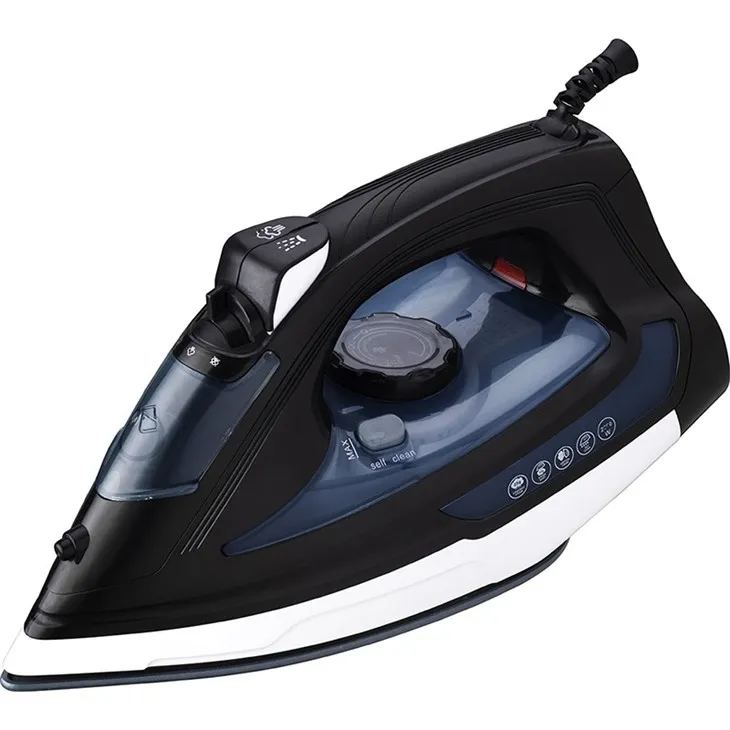

Start ironing the cotton item from the inside out, especially if it has any prints or patterns on the outside. This will prevent the heat from fading or damaging the print. Work in small sections, applying gentle pressure with the iron as you move it across the fabric. Make sure to iron in the direction of the fabric's grain to achieve the best results.
If you're ironing a cotton shirt, start with the collar and cuffs, as these areas tend to get the most wrinkled. Then, move on to the sleeves and the body of the shirt. For cotton pants, start with the waistband and work your way down the legs, paying special attention to the creases.
After you've finished ironing, allow the cotton item to cool down completely before folding or hanging it. This will help to set the creases and keep the fabric looking smooth.
In addition to our standard electric dry irons, we also offer a Large Electric Iron for those who need to iron larger items or have a lot of ironing to do. Our large electric irons have a larger soleplate, which allows you to cover more surface area in less time. This can be especially useful for ironing sheets, tablecloths, or large cotton curtains.
In conclusion, yes, you can use an electric dry iron on cotton. It's a convenient and effective way to remove wrinkles and keep your cotton items looking their best. By following the tips mentioned above, you can ensure that you iron your cotton fabrics safely and achieve a professional-looking finish. Whether you're a busy professional who needs to keep your work clothes looking sharp or a homemaker who wants to maintain a well - pressed wardrobe, our electric dry irons are a great choice.
If you're interested in purchasing an electric dry iron or any of our other ironing products, we invite you to contact us for more information and to discuss your specific needs. Our team of experts is always ready to assist you in finding the perfect iron for your requirements. We offer high - quality products at competitive prices, and we're committed to providing excellent customer service. So, don't hesitate to reach out and start the conversation about how we can help you with your ironing needs.
References
- Textile Institute. (Year). Handbook of Textile Fibre Structure.
- Consumer Reports. (Year). Guide to Ironing Different Fabrics.