

How do I clean the pulp container of a juicer extractor?
Nov 05, 2026
Leave a message
Cleaning the pulp container of a juicer extractor is an essential task to maintain the appliance's performance and longevity. As a supplier of high - quality juicer extractors, I understand the importance of this process and am here to share some effective cleaning methods.
Why Cleaning the Pulp Container is Crucial
The pulp container in a juicer extractor accumulates pulp, fiber, and juice residues after each use. If not cleaned regularly, these residues can lead to several issues. Firstly, they can cause unpleasant odors. The mixture of pulp and juice is a breeding ground for bacteria, and over time, the container will start to smell bad. Secondly, the build - up of residues can affect the juicer's performance. The pulp can clog the extraction mechanism, reducing the efficiency of juice extraction and potentially causing the juicer to overheat.
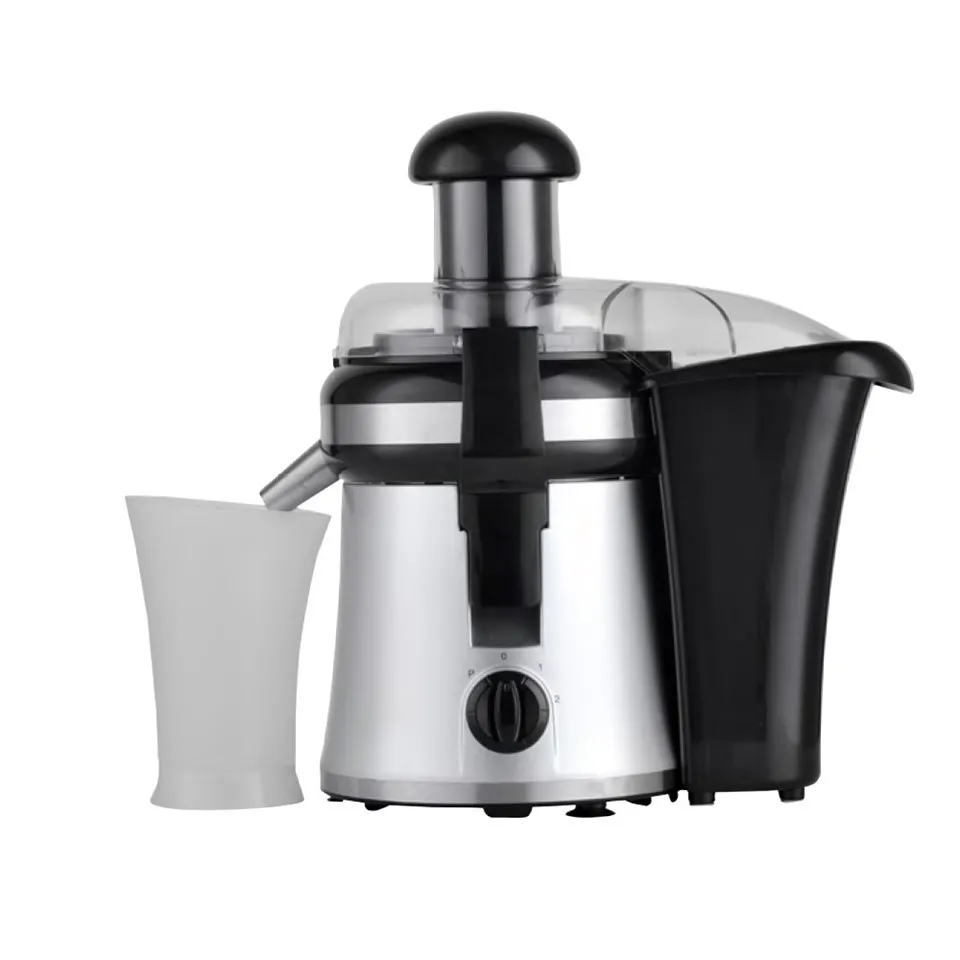

Preparation Before Cleaning
Before you start cleaning the pulp container, it's important to gather the necessary tools. You will need a soft - bristle brush, dish soap, a sponge, and warm water. Make sure the juicer is unplugged from the power source to avoid any electrical hazards. If your juicer has removable parts, such as the pulp container, remove them carefully according to the manufacturer's instructions.
Step - by - Step Cleaning Process
Empty the Pulp Container
The first step is to empty the pulp container. Pour the pulp into a compost bin or a trash can. If you want to use the pulp for other purposes, such as making baked goods or smoothies, you can store it in a sealed container in the refrigerator.
Rinse with Warm Water
After emptying the pulp, rinse the container under warm running water. This will remove most of the loose pulp and juice residues. Make sure to rinse all the corners and crevices of the container to ensure thorough cleaning.
Use Dish Soap
Apply a small amount of dish soap to a sponge or the soft - bristle brush. Gently scrub the inside of the pulp container. Pay special attention to areas where the pulp has stuck, such as the bottom and the sides of the container. The dish soap will help to break down the grease and residues.
Scrub with a Brush
If there are stubborn residues that cannot be removed by the sponge, use the soft - bristle brush. Scrub the container in a circular motion to dislodge the pulp. Be careful not to scratch the container, especially if it is made of plastic or glass.
Rinse Again
After scrubbing, rinse the container thoroughly under warm running water to remove all the soap and residues. Make sure there is no soap left in the container, as it can affect the taste of the juice in the next use.
Dry the Container
Use a clean towel to dry the pulp container. Make sure it is completely dry before reassembling the juicer. Moisture can lead to the growth of mold and mildew, so proper drying is essential.
Cleaning Different Types of Juicer Extractors
Electric Power Juicer
The Electric Power Juicer often has a more complex design compared to other types of juicers. The pulp container may be connected to other parts of the juicer, such as the extraction chamber. When cleaning, make sure to follow the specific instructions provided by the manufacturer. Some electric power juicers may have self - cleaning functions, which can simplify the cleaning process. However, even with self - cleaning, it is still necessary to manually clean the pulp container from time to time.
Electric Juicer Extractor
The Electric Juicer Extractor is designed to extract juice from a variety of fruits and vegetables. The pulp container in an electric juicer extractor may be larger and have a more complex shape. When cleaning, use a long - handled brush to reach all the corners of the container. You can also soak the container in warm soapy water for a few minutes to loosen the residues before scrubbing.
Electric Juice Squeezer
The Electric Juice Squeezer is mainly used for squeezing citrus fruits. The pulp container in an electric juice squeezer is usually smaller and easier to clean. However, the juice residues from citrus fruits can be acidic and may cause discoloration if not cleaned properly. Use a mild dish soap and a soft sponge to clean the container, and rinse it thoroughly to remove any acidic residues.
Tips for Maintaining a Clean Pulp Container
- Clean the juicer immediately after use: The longer the pulp and juice residues stay in the container, the harder they are to remove. Cleaning the juicer right after use will make the cleaning process much easier.
- Use a cleaning agent specifically designed for juicers: There are some cleaning agents on the market that are specifically formulated to clean juicers. These agents can effectively remove stubborn residues and prevent the growth of bacteria.
- Inspect the container regularly: Check the pulp container for any signs of damage, such as cracks or scratches. Damaged containers may be more difficult to clean and can also affect the performance of the juicer.
Conclusion
Cleaning the pulp container of a juicer extractor is a simple but important task. By following the steps and tips mentioned above, you can ensure that your juicer extractor remains in good condition and continues to provide you with fresh and healthy juice.
As a supplier of high - quality juicer extractors, we are committed to providing our customers with the best products and services. If you are interested in purchasing our juicer extractors or have any questions about cleaning and maintenance, please feel free to contact us for procurement discussions. We look forward to working with you to meet your juicing needs.
References
- Manufacturer's instructions for various juicer extractors.
- General knowledge of kitchen appliance cleaning.