

How to iron a tie with an electric dry iron?
Jul 08, 2025
Leave a message
Ironing a tie is a delicate task that requires precision and the right tools. As an experienced supplier of electric dry irons, I'm here to guide you through the process of ironing a tie effectively using one of our high - quality products.
Why Use an Electric Dry Iron for Ties?
Electric dry irons offer several advantages when it comes to ironing ties. First, they provide consistent heat, which is crucial for achieving a smooth and wrinkle - free finish. Unlike steam irons, dry irons eliminate the risk of water stains on the delicate fabric of a tie. Also, they are lightweight and easy to maneuver, allowing you to work on the narrow and intricate parts of a tie with ease.
Preparing Your Electric Dry Iron
Before you start ironing your tie, you need to prepare your electric dry iron. Select an appropriate temperature setting based on the fabric of your tie. Silk ties, for example, require a low temperature to prevent damage, while cotton or wool ties can withstand a slightly higher heat. Most of our Large Electric Iron models come with adjustable temperature controls, making it easy for you to set the right heat for different tie materials.
Plug in your iron and let it heat up. This usually takes a few minutes. While waiting, prepare your work area. Lay out a clean, flat ironing board covered with a soft cloth to protect the tie from direct contact with the ironing surface. You can also place a thin cotton cloth over the tie itself to act as a buffer between the iron and the tie fabric.
Step - by - Step Guide to Ironing a Tie
Step 1: Untangle and Smooth the Tie
Lay the tie flat on the ironing board, with the wide end on your right (if you're right - handed) and the narrow end on your left. Gently untangle any knots or twists in the tie. Use your hands to smooth out the major wrinkles. This initial step helps to make the ironing process more efficient.
Step 2: Iron the Back of the Tie
Start by ironing the back of the tie. Place the iron on the cloth covering the tie and move it slowly and smoothly in a straight line from the narrow end towards the wide end. Apply light pressure. Avoid pressing too hard, as this can distort the shape of the tie. If you notice any stubborn wrinkles, you can go over them a few more times, but still with a gentle touch.
Work your way across the width of the tie, section by section. Make sure to cover the entire back surface of the tie. If your tie has a lining, pay extra attention to the areas where the lining meets the outer fabric to ensure a smooth finish.
Step 3: Iron the Front of the Tie
Once the back of the tie is mostly wrinkle - free, carefully turn the tie over. Place the cloth over the front of the tie again. Begin ironing from the narrow end, just as you did with the back. Move the iron slowly and steadily, following the natural curve of the tie.
When you reach the tip of the tie, be especially careful. The tip is often a more intricate part of the tie, and you want to maintain its shape. Use the pointed end of the iron to get into the corners and curves of the tip.
Step 4: Shape the Tie
After ironing both the front and the back, you can use the iron to shape the tie. For example, if the tip of the tie has become a bit flattened, you can use the iron to gently reshape it. Hold the tip of the tie between your fingers and use the iron to create a slight curve at the edge.
Step 5: Cool and Hang the Tie
Once you're satisfied with the ironing, let the tie cool down on the ironing board. This allows the fabric to set in its new, wrinkle - free shape. After it has cooled, hang the tie on a tie rack or hanger. Make sure to hang it in a way that maintains its shape, with the wide end at the bottom.
Tips for Ironing Different Tie Materials
Silk Ties
Silk is a delicate fabric that requires special care. Set your electric dry iron to a low temperature. Use a very thin cotton cloth as a buffer between the iron and the silk tie. Iron silk ties slowly and with minimal pressure to avoid shiny spots or damage to the fabric.
Cotton Ties
Cotton ties can tolerate a higher temperature. You can set your iron to a medium - high heat. However, still use a cloth over the tie to prevent scorching. Iron cotton ties with a bit more pressure than silk ties to get rid of stubborn wrinkles.
Wool Ties
Wool ties are relatively thick and can hold a crease well. Set your iron to a medium - high temperature. Iron wool ties in short, quick strokes to avoid overheating the fabric. You may need to go over the wrinkles a few times to achieve a smooth finish.
Our Range of Electric Dry Irons for Tie Ironing
We offer a wide variety of electric dry irons suitable for ironing ties. Our Steam Iron For Clothes models can also be used as dry irons by simply not using the steam function. They come with advanced features such as non - stick ceramic plates, which make it easier to glide the iron over the tie fabric without snagging.
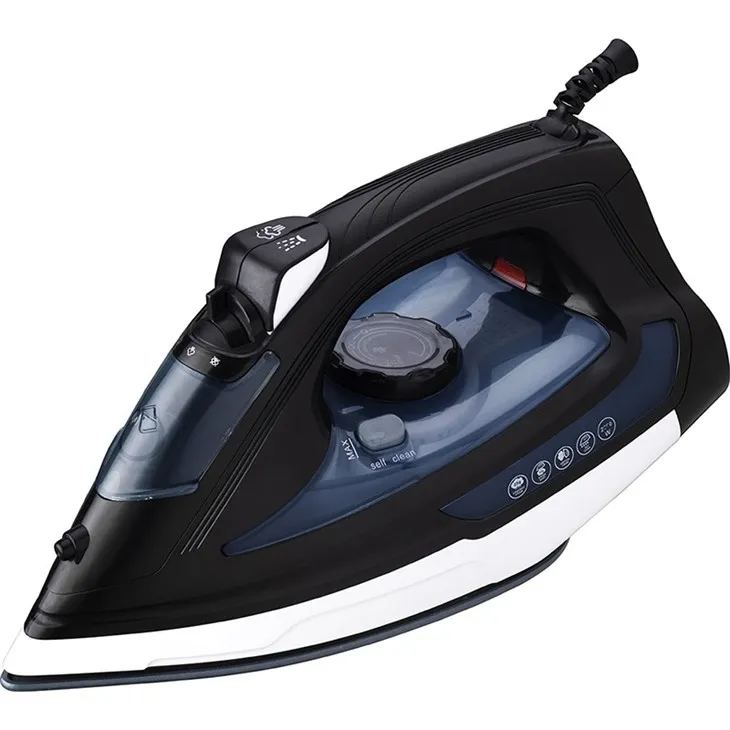
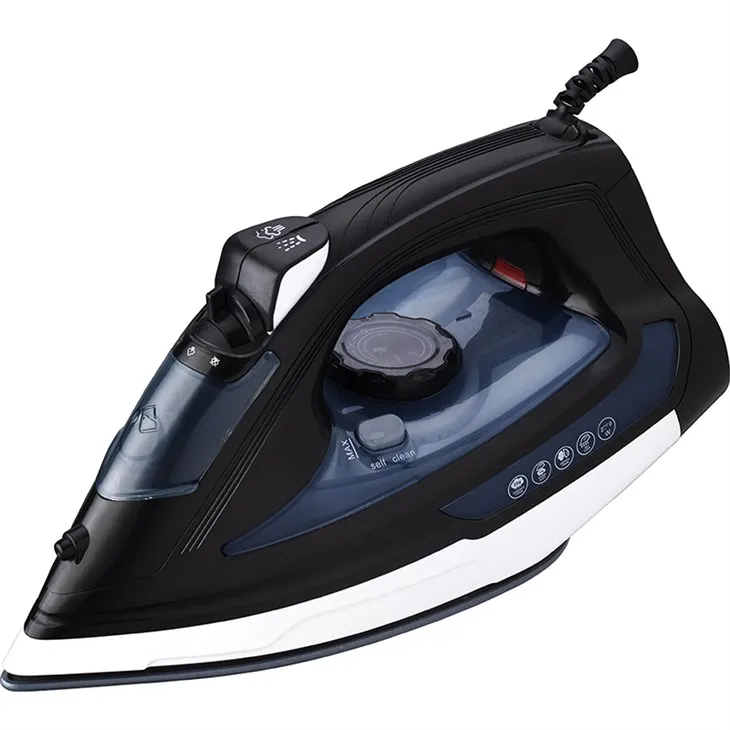
Our Ceramic Plate Electric Iron is another great option. The ceramic plate distributes heat evenly, ensuring that your tie is ironed uniformly. It also heats up quickly and cools down fast, which is convenient when you need to iron multiple ties in a short time.
Conclusion
Ironing a tie with an electric dry iron is a skill that can enhance the appearance of your ties and make you look more professional. By following the steps outlined above and using the right temperature settings for different tie materials, you can achieve a perfect, wrinkle - free finish.
If you're interested in purchasing one of our high - quality electric dry irons for tie ironing or have any questions about our products, we encourage you to reach out to us for a procurement discussion. Our team of experts is ready to assist you in finding the best iron for your needs.
References
- "The Complete Guide to Ironing Men's Clothing", Men's Fashion Magazine, 2022
- "Textile Care and Ironing Techniques", Textile Science Journal, 2021