

How to iron tablecloths with an electric dry iron?
Jul 31, 2025
Leave a message
Hey there! I'm a supplier of Electric Dry Irons, and today I'm gonna share with you how to iron tablecloths using one of these handy tools. Tablecloths can add a touch of elegance to any dining or event setting, but they often get wrinkled easily. With the right techniques and an electric dry iron, you can have them looking crisp and fresh in no time.
Getting Ready
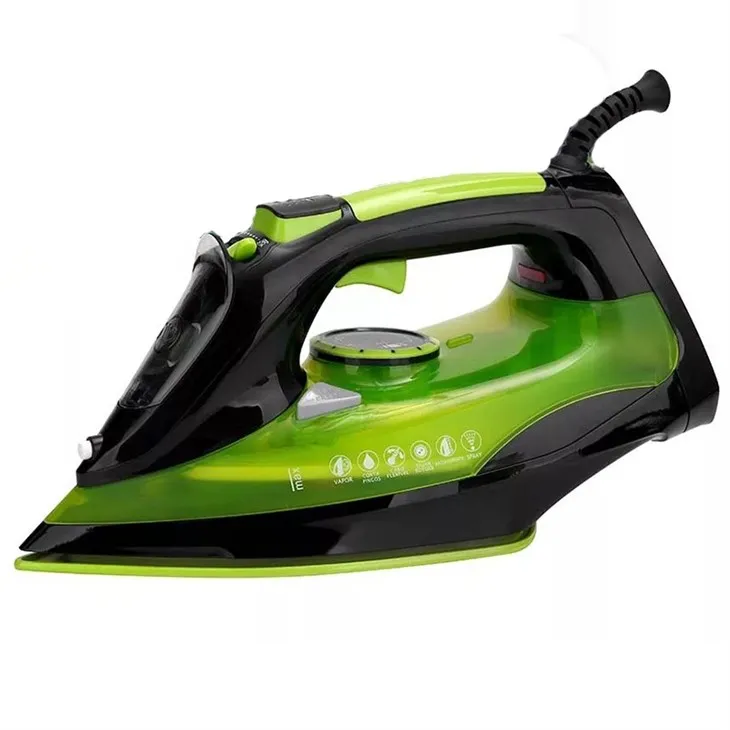
First things first, you need to gather your supplies. You'll obviously need an electric dry iron. If you're in the market for one, we've got some great options like the Steam Iron For Clothes and the Large Electric Iron. These irons are designed to handle different fabrics and give you a smooth ironing experience.
You'll also need an ironing board. Make sure it's clean and large enough to accommodate the size of your tablecloth. A padded ironing board cover can help prevent any marks on the tablecloth. And don't forget to have a clean, lint - free cloth on hand. This can be used to protect delicate tablecloths from direct contact with the iron.
Pre - checking the Tablecloth
Before you start ironing, take a close look at your tablecloth. Check the fabric type. Different fabrics require different ironing temperatures. For example, cotton tablecloths can usually handle a higher heat setting, while silk or polyester ones need a lower temperature. You can usually find the fabric care instructions on a label attached to the tablecloth. If there's no label, a quick online search can give you a good idea of the appropriate ironing temperature for the fabric.
Also, check for any stains or spots on the tablecloth. It's better to treat these stains before ironing because heat can set the stains and make them harder to remove. You can use a stain remover or follow a simple home remedy depending on the type of stain.
Setting Up the Iron
Now, it's time to set up your electric dry iron. Plug it in and let it heat up. Most electric dry irons have a temperature control dial. Set the temperature according to the fabric of your tablecloth. If you're not sure, start with a lower temperature and test it on a small, inconspicuous area of the tablecloth. This way, you can avoid burning or damaging the fabric.
Some electric dry irons, like our Wet And Dry Steam Iron, have a steam function. If your tablecloth is made of a heavy - duty fabric like thick cotton or linen, using steam can make the ironing process much easier. The steam helps to relax the fibers and remove wrinkles more effectively. To use the steam function, fill the water tank of the iron if it has one and wait for the steam to build up.
Ironing the Tablecloth
Lay the tablecloth flat on the ironing board. Start from one corner and work your way across. If the tablecloth is large, you might want to fold it in half or quarters to make it more manageable.
For a dry iron, gently press the iron onto the tablecloth and move it in a smooth, straight motion. Don't rub the iron back and forth vigorously as this can stretch the fabric. Keep the iron moving constantly to avoid over - heating one area.
If you're using the steam function, hold the iron a little above the tablecloth and release short bursts of steam. Then, press the iron down gently to smooth out the wrinkles. Make sure to iron both sides of the tablecloth for a more even result.
When you come across a stubborn wrinkle, you can either increase the steam or press the iron down a bit harder for a few seconds. But be careful not to hold the iron in one place for too long, especially on delicate fabrics.
Special Considerations for Different Fabrics
- Cotton Tablecloths: Cotton is a common fabric for tablecloths. It can withstand a relatively high ironing temperature. You can use steam to make the ironing process faster. If the cotton tablecloth has a printed design, iron it on the reverse side to avoid damaging the print.
- Silk Tablecloths: Silk is a delicate fabric. Always use a low - heat setting on your iron. Place a clean, damp cloth between the iron and the silk tablecloth to prevent direct contact. Move the iron slowly and gently to avoid snagging the fabric.
- Polyester Tablecloths: Polyester doesn't require a high temperature. A medium - low heat setting is usually sufficient. Ironing polyester tablecloths on a lower heat also helps prevent the fabric from melting.
Finishing Touches
Once you've ironed the entire tablecloth, let it cool down completely before folding or using it. This allows the fibers to set in their new, wrinkle - free state. When folding the tablecloth, fold it neatly along the creases you've just created while ironing. This helps maintain the smooth look.

If you're storing the tablecloth, make sure to keep it in a cool, dry place. You can use a storage container or a garment bag to protect it from dust and dirt.
Why Choose Our Electric Dry Irons
As a supplier of electric dry irons, I can tell you that our products are top - notch. They are designed with user - friendly features. The temperature control is precise, so you can easily set the right heat for different fabrics. Our irons heat up quickly, which saves you time. And they are built to last, so you won't have to worry about replacing them frequently.
Whether you're a home user who wants to keep your dining table looking great or a professional event planner who needs to iron a large number of tablecloths, our electric dry irons are up to the task.
If you're interested in purchasing our electric dry irons, we'd love to have a chat with you. We can discuss your specific needs, answer any questions you might have, and even offer some discounts for bulk purchases. Just reach out to us, and let's start a conversation about how our electric dry irons can make your ironing tasks a breeze.
References
- Textile Institute. "Handbook of Textile Fibre Structure". Woodhead Publishing, 2011.
- Consumer Reports. "Ironing Tips and Tricks". Consumer Reports Publications, 2020.