

What factors should be considered when buying an electric dry iron?
Jan 12, 2026
Leave a message
Hey there! As a supplier of Electric Dry Irons, I've seen firsthand the importance of making the right choice when it comes to buying one. There are several factors that you should consider to ensure you get an iron that meets your needs and gives you the best results. In this blog, I'll walk you through these factors to help you make an informed decision.
1. Plate Material
The plate of the iron is the part that comes into direct contact with your clothes. Different plate materials have different properties, and they can significantly affect how well the iron works.
- Stainless Steel Plates: These are quite common. They're durable and can withstand a lot of wear and tear. They also heat up quickly and distribute heat evenly across the plate. However, they can sometimes snag delicate fabrics. If you're mostly ironing sturdy materials like cotton or linen, a stainless - steel plate Electric Dry Iron might be a great choice.
- Ceramic Plates: Ceramic plates are known for their smoothness. They glide easily over fabrics, reducing the risk of snagging. They also heat up fast and cool down quickly, which is convenient if you want to put the iron away right after use. A Ceramic Plate Electric Iron is ideal for delicate fabrics like silk and satin.
2. Temperature Control
Not all fabrics are created equal, and they require different ironing temperatures. A good electric dry iron should have a reliable temperature control feature.
- Variable Temperature Settings: Look for an iron that offers a wide range of temperature settings. This way, you can adjust the heat according to the fabric you're ironing. For example, synthetics usually need a lower temperature, while cotton can handle higher heat. Having precise temperature control helps prevent damage to your clothes.
- Automatic Shut - off: This is a safety feature that's also related to temperature control. If the iron is left on its soleplate for a certain period, it will automatically turn off. This not only saves energy but also reduces the risk of fire.
3. Wattage
The wattage of an iron determines how quickly it heats up and how powerful it is.
- Higher Wattage: Irons with higher wattage (around 1500 - 2000 watts) heat up faster and can maintain a consistent temperature. This means you can iron your clothes more quickly, especially if you have a large amount of ironing to do. However, they may consume more energy.
- Lower Wattage: Lower - wattage irons (around 1000 - 1200 watts) are more energy - efficient, but they take longer to heat up and may not be as effective for heavy - duty ironing.
4. Steam Function (Even for Dry Irons)
Even if you're looking at a dry iron, some models come with a steam function that can be useful in certain situations.
- Occasional Steam: A dry iron with an occasional steam burst feature can help remove stubborn wrinkles. You can press a button to release a short burst of steam when needed. This is handy for fabrics that need a bit of extra moisture to smooth out.
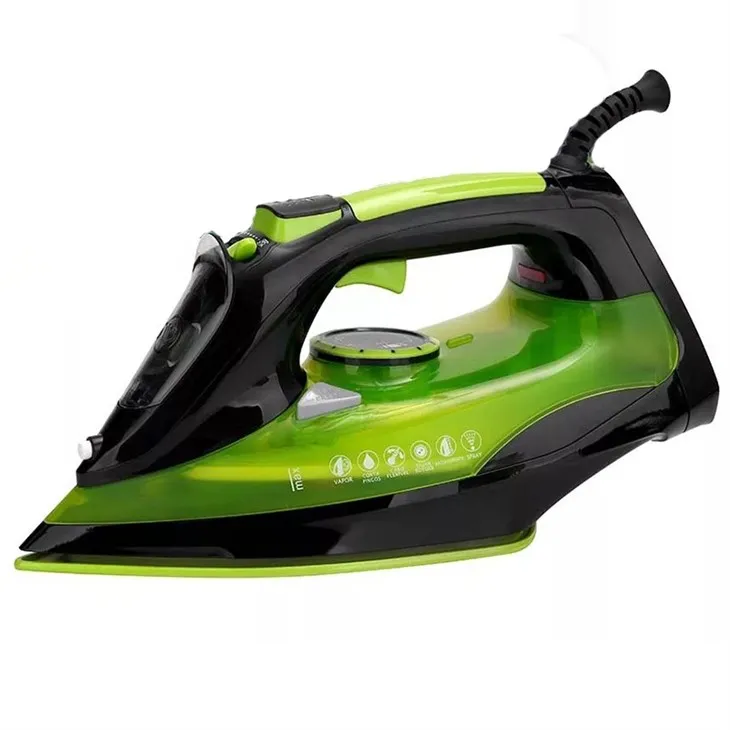
- Continuous Steam: Some dry irons can also offer continuous steam. This is great for larger areas of fabric or for fabrics that require more steam to get rid of wrinkles. If you often iron thick or heavily wrinkled clothes, a dry iron with a steam function similar to a Steam Iron For Clothes might be a good option.
5. Cord Length and Flexibility
The cord of the iron can make a big difference in how easy it is to use.
- Long Cord: A long cord (around 6 - 8 feet) gives you more freedom of movement. You can move the iron around the ironing board without having to constantly re - position the plug. This is especially useful if you have a large ironing board or if you like to iron in different locations.
- Flexible Cord: A flexible cord is less likely to get tangled. It allows you to move the iron smoothly in all directions without the cord getting in the way.
6. Weight
The weight of the iron can affect your comfort while ironing.
- Lightweight: A lightweight iron (around 1 - 2 pounds) is easier to hold and maneuver, especially if you have a lot of ironing to do. It reduces fatigue in your arm and wrist, making the ironing process more comfortable.
- Heavier: Heavier irons (around 3 - 4 pounds) can sometimes provide more pressure on the fabric, which can be beneficial for getting out stubborn wrinkles. However, they may be more tiring to use for extended periods.
7. Design and Ergonomics
The design of the iron can impact its usability.
- Comfortable Grip: Look for an iron with a well - designed handle that fits comfortably in your hand. A soft - grip handle can reduce slippage and make it easier to control the iron.
- Shape of the Plate: The shape of the iron's plate can also matter. A pointed tip is useful for getting into small areas like collars and cuffs, while a wider plate can cover larger areas more quickly.
8. Brand and Price
- Brand Reputation: Well - known brands often have a reputation for quality and reliability. They may offer better customer support and warranties. However, this doesn't mean you can't find a great iron from a lesser - known brand. Do some research and read reviews to get an idea of the brand's track record.
- Price: Electric dry irons come in a wide range of prices. While it's tempting to go for the cheapest option, remember that you usually get what you pay for. A mid - range iron may offer a good balance between features and price.
9. Ease of Maintenance
- Water Tank Cleaning: If your iron has a steam function, it's important to be able to clean the water tank easily. Mineral deposits can build up over time, affecting the performance of the steam function. Look for an iron with a removable or easy - to - clean water tank.
- Plate Cleaning: Some irons come with features that make it easy to clean the plate. For example, anti - scale systems can prevent mineral deposits from building up on the plate.
10. Additional Features
- Vertical Ironing: This feature allows you to iron clothes while they're hanging. It's great for quickly freshening up curtains, dresses, or suits without having to use an ironing board.
- Self - Cleaning: Self - cleaning irons can automatically remove mineral deposits and dirt from the steam vents and plate. This helps maintain the performance of the iron over time.
In conclusion, buying an electric dry iron involves considering multiple factors. By taking the time to think about these aspects, you can find an iron that suits your specific needs and makes your ironing tasks a breeze.
If you're interested in purchasing high - quality electric dry irons, I'd love to have a chat with you about our product range. We offer a variety of models that incorporate the latest features and technologies to ensure excellent performance. Whether you're a household looking for a reliable iron or a business in need of bulk orders, we can provide the right solution for you. Don't hesitate to reach out for a procurement discussion.

References
- Consumer Reports. (Year). Iron Buying Guide.
- Good Housekeeping. (Year). Best Irons Reviews.