

What is the best way to iron a suit with an electric dry iron?
Jun 02, 2026
Leave a message
Ironing a suit with an electric dry iron is a skill that combines the right technique, the proper tools, and a bit of patience. As a supplier of high - quality electric dry irons, I've seen firsthand how a well - ironed suit can transform one's appearance. In this blog, I'll share the best way to iron a suit using an electric dry iron, along with some tips to ensure you get the perfect finish every time.
Preparing Your Suit and Iron
Before you start ironing, it's crucial to prepare both your suit and the electric dry iron. First, check the care label on your suit. Different fabrics require different ironing temperatures. For example, wool suits typically need a lower temperature to avoid damage, while cotton blends can withstand a bit more heat.
Next, set up your ironing board. Make sure it's stable and at a comfortable height. A wobbly ironing board can make the process difficult and may even lead to uneven ironing.
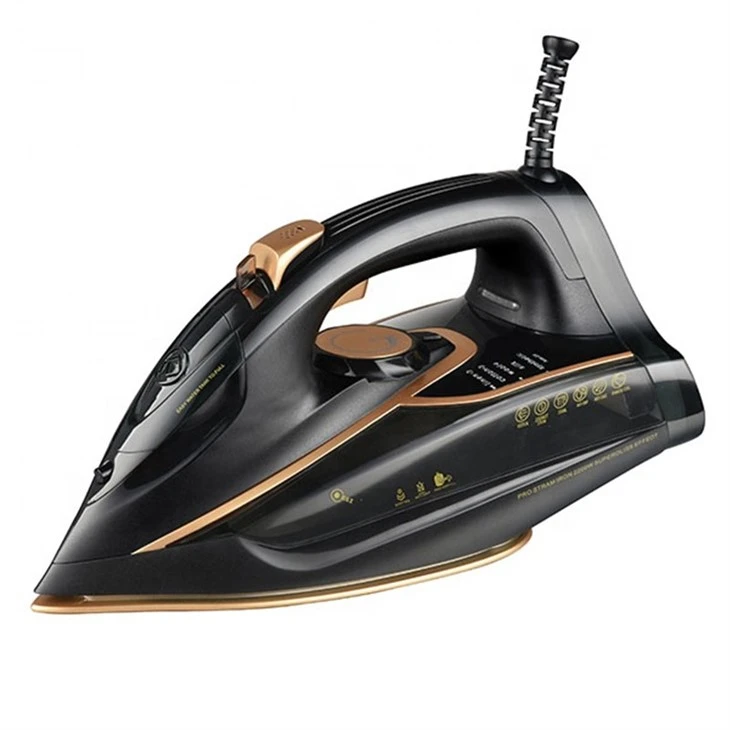
Now, it's time to prepare your electric dry iron. If you're using one of our Steam Compact Iron For Clothes, you'll have the advantage of a compact and efficient design that's perfect for detailed ironing. Plug in the iron and set the temperature according to the fabric of your suit. Let the iron heat up for a few minutes to reach the desired temperature.
Ironing the Jacket
The jacket is the most prominent part of the suit, so getting it right is essential. Start with the sleeves. Lay the sleeve flat on the ironing board, with the inside of the sleeve facing up. Use a pressing cloth to protect the fabric from direct heat. Gently press the iron along the sleeve, moving from the shoulder to the cuff. Avoid sliding the iron back and forth, as this can stretch the fabric. Instead, lift the iron and re - position it for each new stroke.
Next, focus on the front of the jacket. Button up the jacket and lay it flat on the ironing board. Iron the lapels carefully, following their natural curve. Pay attention to the creases at the edges of the lapels and make sure they are sharp and straight.
Move on to the body of the jacket. Iron the front panels, starting from the top and working your way down. Be careful around the pockets and buttons. If possible, unbutton the jacket and iron the inside of the front panels to avoid leaving marks on the outside.
The back of the jacket also needs attention. Lay the jacket flat with the back facing up and iron it in smooth, even strokes. Make sure to iron the seams and darts to keep them looking crisp.
Ironing the Trousers
Trousers require a slightly different approach. Start by laying the trousers flat on the ironing board, with one leg on top of the other. Iron the waistband first, making sure it's smooth and free of wrinkles.
Next, focus on the creases. If your trousers have pre - pressed creases, use a pressing cloth and gently press the iron along the creases to restore their sharpness. If you're creating new creases, fold the trousers in half lengthwise, aligning the seams, and use the iron to create a sharp crease.
Iron the legs of the trousers from the top down. Pay attention to the inside and outside seams, and make sure they are straight and smooth. If you're using a Home Use Electric Steam Iron, the steam function can help to remove stubborn wrinkles more effectively.
Special Considerations for Different Fabrics
As mentioned earlier, different fabrics require different ironing techniques. Here are some special considerations for the most common suit fabrics:

-
Wool: Wool is a delicate fabric that can be easily damaged by excessive heat. Use a low to medium temperature setting on your electric dry iron and always use a pressing cloth. If you're using a Wet And Dry Steam Iron, you can lightly mist the wool with water to help relax the fibers before ironing.
-
Cotton: Cotton is a more forgiving fabric and can withstand a higher temperature. However, be careful not to over - iron, as this can cause the fabric to become shiny. Use a medium to high temperature setting and steam if necessary.
-
Linen: Linen wrinkles easily, but it also has a natural, relaxed look. Use a high temperature setting on your iron and steam generously to remove wrinkles. Let the linen cool while still on the ironing board to help set the creases.
Tips for a Perfect Finish
-
Use a pressing cloth: A pressing cloth acts as a barrier between the iron and the fabric, preventing direct heat damage and shine. You can use a clean cotton cloth or a specialized pressing cloth.
-
Iron in sections: Instead of trying to iron the entire suit at once, work in sections. This allows you to focus on each area and ensures a more even finish.
-
Let the suit cool: After ironing, let the suit cool completely before wearing or storing it. This helps the fabric to set in its new shape and reduces the risk of wrinkles reappearing.
Conclusion
Ironing a suit with an electric dry iron doesn't have to be a daunting task. By following these steps and tips, you can achieve a professional - looking finish that will make you look and feel your best. As a supplier of top - quality electric dry irons, we're committed to providing you with the tools you need to keep your suits in pristine condition.
If you're interested in purchasing one of our electric dry irons, whether it's the Steam Compact Iron For Clothes, Home Use Electric Steam Iron, or Wet And Dry Steam Iron, we invite you to contact us for a purchase negotiation. We're ready to offer you the best products and services to meet your needs.
References
- Clothing Care Guides from various suit manufacturers
- Professional ironing tutorials and resources