

What temperature should be set for ironing curtains with an electric dry iron?
Jul 18, 2025
Leave a message
When it comes to ironing curtains, selecting the appropriate temperature on your electric dry iron is crucial. As a dedicated supplier of Electric Dry Iron, I've witnessed firsthand how the right temperature can transform wrinkled curtains into smooth, elegant window coverings. In this blog, I'll delve into the science behind setting the ideal ironing temperature for curtains, considering various curtain materials.
Understanding Curtain Materials
Curtains come in a wide array of materials, each with its own unique properties and heat tolerance. Before you start ironing, it's essential to identify the material of your curtains to prevent damage. Here are some common curtain materials and their recommended ironing temperatures:
Cotton Curtains
Cotton is a popular choice for curtains due to its durability, breathability, and affordability. It can withstand relatively high temperatures during ironing. For pure cotton curtains, you can set your electric dry iron to a medium - high temperature, typically around 180 - 200°C (356 - 392°F). Cotton has a high cellulose content, which gives it the ability to tolerate heat well. However, it's still a good idea to test a small, inconspicuous area of the curtain first to ensure that the fabric doesn't scorch.
Linen Curtains
Linen is made from the fibers of the flax plant and is known for its natural, rustic look. Linen curtains often have a slightly textured appearance, and they can benefit from ironing to smooth out wrinkles. Similar to cotton, linen can handle high heat. You can set your electric dry iron to a high temperature, around 200 - 230°C (392 - 446°F). Linen fibers are strong and heat - resistant, but be careful not to leave the iron in one place for too long as it can cause the fabric to yellow.
Polyester Curtains
Polyester is a synthetic material that is widely used in curtain manufacturing because of its wrinkle - resistance and easy maintenance. Polyester curtains should be ironed at a lower temperature compared to natural fibers. A low to medium temperature setting, around 110 - 130°C (230 - 266°F), is sufficient. Polyester has a lower melting point than natural fibers, and if the iron is set too high, the fabric can melt or become shiny and sticky.
Silk Curtains
Silk is a luxurious and delicate fabric. Silk curtains require gentle handling when ironing. Set your electric dry iron to a very low temperature, around 80 - 100°C (176 - 212°F). Silk is highly sensitive to heat and can easily be damaged by high temperatures. It's advisable to place a thin, damp cloth over the silk curtain while ironing to act as a buffer between the iron and the fabric. This helps to protect the silk from direct heat and reduces the risk of scorching.
Blend Curtains
Many curtains are made from a blend of different fibers, such as cotton - polyester or linen - polyester blends. In these cases, you need to consider the properties of both fibers. As a general rule, set the iron to a temperature that is suitable for the most heat - sensitive fiber in the blend. For example, if you have a cotton - polyester blend curtain, it's better to use a medium temperature setting, around 140 - 160°C (284 - 320°F), to avoid damaging the polyester while still being able to smooth out the cotton.
Tips for Ironing Curtains
- Read the Care Label: Always check the care label on your curtains for specific ironing instructions. The manufacturer's recommendations are the most reliable source of information regarding the appropriate ironing temperature and any special care requirements.
- Use a Pressing Cloth: As mentioned earlier, using a pressing cloth, especially for delicate fabrics like silk or when ironing at higher temperatures, can protect the curtain from direct heat and prevent damage.
- Iron in the Right Direction: When ironing curtains, it's best to iron in the direction of the fabric's grain. This helps to maintain the integrity of the fabric and gives a more professional finish.
- Let the Curtain Cool: After ironing, allow the curtain to cool completely before hanging it up. This helps the fabric to retain its smoothness.
The Role of Our Electric Dry Iron
Our Electric Dry Iron is designed with precision temperature control, allowing you to easily set the ideal temperature for ironing different types of curtains. It has a wide temperature range, from low to high, so you can adjust it according to the fabric of your curtains. The iron also features a smooth soleplate that glides easily over the curtain fabric, reducing the risk of snagging or pulling on the fibers.
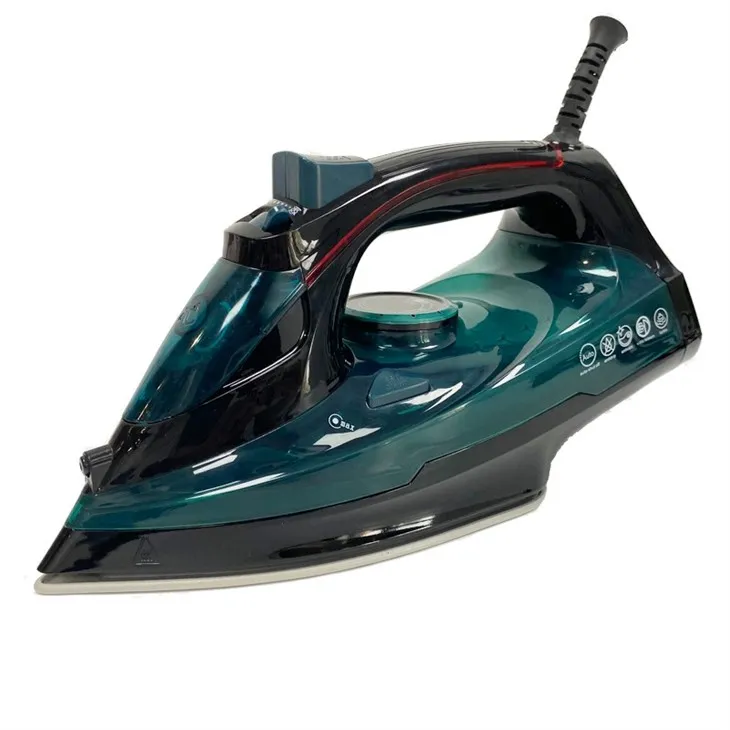
In addition to our electric dry iron, we also offer Electric Steam Iron and Home Use Electric Steam Iron. Steam irons can be particularly useful for ironing curtains as the steam helps to relax the fibers and make it easier to remove wrinkles. The steam also adds moisture to the fabric, which can be beneficial for some materials like cotton and linen.

Conclusion
Ironing curtains is an important part of maintaining their appearance and prolonging their lifespan. By setting the right temperature on your electric dry iron according to the curtain material, you can achieve professional - looking results without damaging the fabric. Our range of electric irons, including dry irons and steam irons, is designed to meet your ironing needs for curtains and other household items.
If you're interested in purchasing our high - quality electric irons for your home or business, we welcome you to contact us for procurement and negotiation. We're committed to providing you with the best products and services to ensure your satisfaction.
References
- Textile Institute. "Textile Fibre Properties." 4th Edition. Woodhead Publishing, 2012.
- Consumer Reports. "Ironing Guide for Different Fabrics." Consumer Reports Magazine, 2020.