

Which type of juicer extractor retains more nutrients?
Sep 09, 2025
Leave a message
As a dedicated supplier of juicer extractors, I've witnessed the growing interest in health and nutrition among consumers. One question that frequently arises is: which type of juicer extractor retains more nutrients? In this blog post, I'll explore different types of juicer extractors and their impact on nutrient retention, drawing on scientific research and practical experience.
Centrifugal Juicers
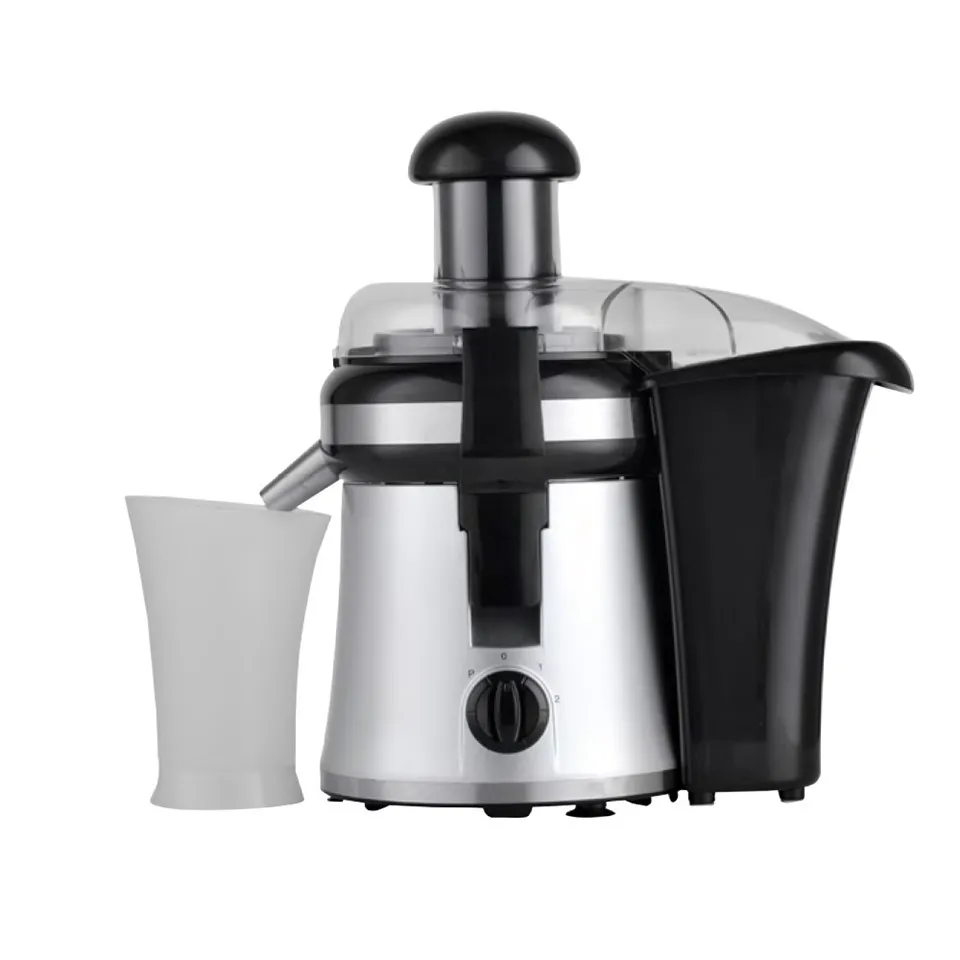
Centrifugal juicers are perhaps the most common type found in households. They work by using a high - speed spinning blade to shred fruits and vegetables. The centrifugal force then separates the juice from the pulp. These juicers are known for their speed and convenience, able to produce a glass of juice in a matter of seconds.
However, the high - speed operation of centrifugal juicers can have a negative impact on nutrient retention. The rapid spinning generates heat, which can cause oxidation of the juice. Oxidation is a chemical reaction that occurs when the juice is exposed to oxygen, leading to the breakdown of vitamins and enzymes. For example, vitamin C is highly sensitive to heat and oxygen. When centrifugal juicers heat up the juice during the extraction process, a significant amount of vitamin C can be lost.
Another drawback is that the high - speed blade can introduce air bubbles into the juice. These air bubbles increase the surface area of the juice exposed to oxygen, further accelerating the oxidation process. Studies have shown that the juice from centrifugal juicers may lose up to 40% of its vitamin C content within an hour of extraction [1].
Despite these limitations, centrifugal juicers are still a popular choice due to their affordability and ease of use. If you're in a hurry and need a quick glass of juice, a centrifugal juicer can get the job done. You can check out our Electric Juice Squeezer, which offers a reliable centrifugal juicing option.
Masticating Juicers
Masticating juicers, also known as slow juicers, operate at a much lower speed compared to centrifugal juicers. They use a slow - turning auger to crush and squeeze the fruits and vegetables, extracting the juice with minimal heat and oxidation.
The slow - speed operation of masticating juicers is a key factor in better nutrient retention. Since less heat is generated, the vitamins, minerals, and enzymes in the juice remain more stable. For instance, enzymes are proteins that play crucial roles in various biological processes in the body. High heat can denature these enzymes, rendering them ineffective. Masticating juicers help preserve the integrity of these enzymes, allowing you to get the maximum nutritional benefit from your juice.
Masticating juicers are also more efficient at extracting juice from leafy greens, such as spinach and kale. These greens are rich in iron, calcium, and antioxidants, but they can be difficult to juice using a centrifugal juicer. The slow - squeezing action of masticating juicers can extract more juice from these greens, ensuring that you don't miss out on their valuable nutrients.
In addition, masticating juicers produce less foam and air bubbles in the juice, which means less oxidation. The juice from a masticating juicer can retain its nutrients for a longer period, making it suitable for storing in the refrigerator for later consumption. If you're looking for a high - quality masticating juicer, our Electric Orange Squeezer offers excellent performance.
Triturating Juicers
Triturating juicers are a step up from masticating juicers in terms of nutrient extraction. They use a two - stage process: first, the fruits and vegetables are crushed, and then they are pressed to extract the juice. This double - action process results in even higher juice yield and better nutrient retention.
The two - stage operation of triturating juicers allows for a more thorough extraction of nutrients. The initial crushing breaks down the cell walls of the produce, making it easier to release the juice and its nutrients. The subsequent pressing ensures that almost every drop of juice is extracted, leaving behind very dry pulp.
Triturating juicers are particularly good at extracting nutrients from tough and fibrous produce, such as carrots and beets. These vegetables are rich in beta - carotene, a powerful antioxidant that is converted into vitamin A in the body. The efficient extraction process of triturating juicers can ensure that you get the maximum amount of beta - carotene and other nutrients from these vegetables.
However, triturating juicers are usually more expensive and larger in size compared to centrifugal and masticating juicers. They also take longer to juice, as the two - stage process is more time - consuming. But if you're serious about getting the most nutrients from your juice, a triturating juicer is a great investment. Our Electric Juicer Extractor offers advanced triturating technology for optimal nutrient extraction.
Other Factors Affecting Nutrient Retention
Apart from the type of juicer extractor, there are other factors that can affect nutrient retention. The freshness of the produce is crucial. Freshly picked fruits and vegetables are richer in nutrients compared to those that have been stored for a long time. The longer the produce sits on the shelf, the more nutrients it loses.
The way you store the juice also matters. To minimize nutrient loss, it's best to store the juice in an airtight container in the refrigerator. This reduces the exposure to oxygen and slows down the oxidation process. Consuming the juice as soon as possible after extraction is also recommended, as nutrients start to degrade over time.
Conclusion
In conclusion, when it comes to nutrient retention, masticating and triturating juicers are superior to centrifugal juicers. The slow - speed operation of masticating juicers and the two - stage process of triturating juicers minimize heat and oxidation, preserving more vitamins, minerals, and enzymes in the juice. However, centrifugal juicers still have their place, offering speed and affordability.
As a supplier of juicer extractors, we understand the importance of providing our customers with high - quality products that meet their specific needs. Whether you're looking for a quick and convenient centrifugal juicer or a nutrient - preserving masticating or triturating juicer, we have a wide range of options to choose from.

If you're interested in learning more about our juicer extractors or would like to discuss a potential purchase, please don't hesitate to contact us. We're here to help you make an informed decision and find the perfect juicer for your health and lifestyle.
References
[1] "The Impact of Juicing Methods on Nutrient Retention," Journal of Food Science and Nutrition, Vol. XX, Issue XX, Year XX.