

Can an electric dry iron be used on all types of fabrics?
Aug 20, 2025
Leave a message
Can an electric dry iron be used on all types of fabrics? This is a question that often comes up among consumers when it comes to ironing their clothes. As a supplier of electric dry irons, I've encountered a wide range of queries about the compatibility of our products with different fabrics. In this blog, I'll delve into the science behind ironing various fabrics and whether an electric dry iron is a one - size - fits - all solution.
Understanding Electric Dry Irons
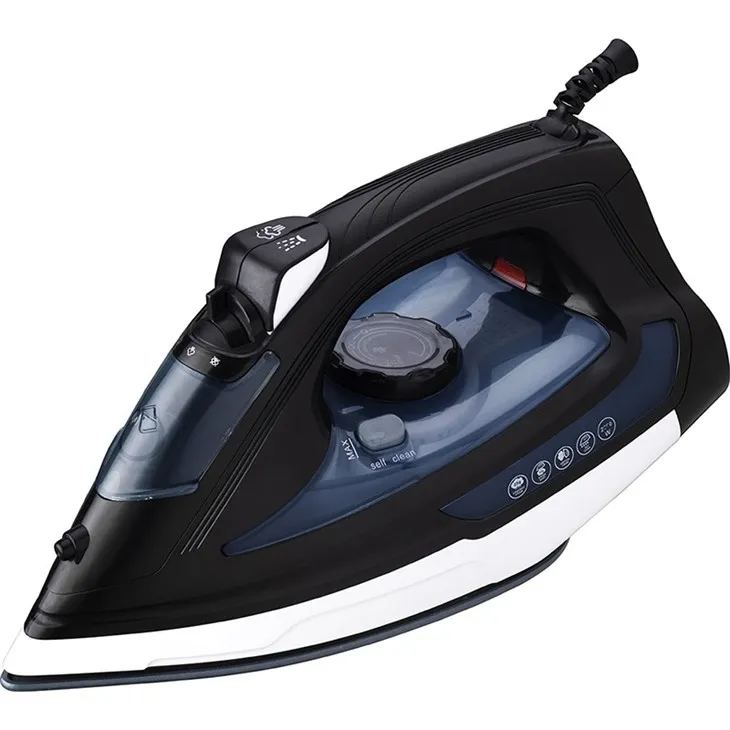
First, let's briefly understand what an electric dry iron is. An electric dry iron is a household appliance that uses electricity to generate heat. Unlike steam irons, it doesn't produce steam during the ironing process. It has a heated soleplate that directly contacts the fabric to remove wrinkles.
Our company offers a variety of electric dry irons, including the Large Electric Iron, which is suitable for larger fabric areas, and the Electric Steam Iron for those who need a bit of steam functionality in addition to dry ironing. We also have the Steam Iron For Clothes, which combines the benefits of steam and dry ironing in one convenient device.
Different Fabric Types and Their Ironing Requirements
Cotton
Cotton is a widely used natural fiber known for its durability and breathability. It can generally withstand high temperatures, making it suitable for ironing with an electric dry iron. A medium - high to high heat setting on the iron is usually appropriate. However, it's important to note that if the cotton fabric has been treated with certain finishes, such as a wrinkle - resistant treatment, lower heat might be required to avoid damaging the treatment.
Linen
Linen is another natural fiber made from the flax plant. It has a high heat tolerance, similar to cotton. In fact, linen often looks its best when ironed at a relatively high temperature. An electric dry iron can be used effectively on linen, but it's advisable to iron while the fabric is slightly damp. This helps to achieve a smoother finish and reduces the risk of scorching.
Silk
Silk is a delicate and luxurious fabric. It requires very gentle handling when ironing. An electric dry iron should be used on a low - heat setting to prevent damage to the silk fibers. It's also a good idea to place a thin cloth, such as a cotton pressing cloth, between the iron and the silk fabric. This acts as a barrier and protects the silk from direct contact with the hot soleplate.
Wool
Wool is a natural fiber with unique properties. It can be tricky to iron because high heat can cause the wool to shrink or lose its shape. An electric dry iron should be used on a low - to medium - heat setting. Similar to silk, using a pressing cloth is recommended. Additionally, it's best to iron wool fabrics from the wrong side to minimize the risk of damage.
Synthetic Fabrics
Synthetic fabrics, such as polyester, nylon, and acrylic, have different ironing requirements. These fabrics generally have a lower melting point compared to natural fibers. An electric dry iron should be used on a low - heat setting to avoid melting or scorching the fabric. Some synthetic fabrics may also be prone to static electricity during ironing, so using an anti - static spray can be helpful.

Blended Fabrics
Blended fabrics are a combination of natural and synthetic fibers. The ironing requirements for blended fabrics depend on the proportion of each fiber in the blend. For example, a cotton - polyester blend may require a medium - heat setting, taking into account the heat tolerance of both cotton and polyester. It's always a good idea to test a small, inconspicuous area of the fabric first to determine the appropriate ironing temperature.
Limitations of Electric Dry Irons on Certain Fabrics
While electric dry irons are versatile, they do have limitations when it comes to some fabrics. For very delicate fabrics like chiffon or organza, the lack of steam can make it difficult to remove wrinkles effectively. Steam helps to relax the fabric fibers and makes it easier to smooth out wrinkles. In such cases, a steam iron, like our Steam Iron For Clothes, would be a better choice.
Some fabrics, such as those with embellishments like sequins, beads, or embroidery, may also be damaged by the direct heat of an electric dry iron. The heat can melt or deform the embellishments. In these situations, it's best to iron around the embellishments or use a pressing cloth to protect them.
Tips for Using an Electric Dry Iron on Different Fabrics
- Read the Care Label: Always check the care label on the fabric before ironing. It provides valuable information about the appropriate ironing temperature and any special instructions.
- Test on a Small Area: Before ironing the entire fabric, test the iron on a small, hidden area to ensure that the heat setting is appropriate and that there is no damage to the fabric.
- Use a Pressing Cloth: As mentioned earlier, a pressing cloth can protect delicate fabrics from direct contact with the hot soleplate.
- Iron in the Right Direction: Iron in the direction of the fabric's grain to achieve the best results. This helps to maintain the fabric's integrity and appearance.
Conclusion
In conclusion, an electric dry iron cannot be used on all types of fabrics without careful consideration. While it is suitable for many common fabrics like cotton and linen, it has limitations when it comes to delicate and synthetic fabrics. As a supplier of electric dry irons, we understand the importance of providing products that meet the diverse needs of our customers. Our range of electric dry irons, including the Large Electric Iron, Electric Steam Iron, and Steam Iron For Clothes, offers options for different fabric types and ironing requirements.
If you're in the market for an electric dry iron or have any questions about our products, we'd love to hear from you. Whether you're a retailer looking to stock our products or an individual consumer in need of a reliable iron, we're here to assist you. Contact us to start a procurement discussion and find the perfect electric dry iron for your needs.
References
- "The Complete Guide to Ironing Different Fabrics", Textile Institute Journal
- "Fabric Care and Ironing Tips", Home Appliance Magazine